
Thinking about getting braces? Whether you’re a teen, an adult, or a parent preparing your child for orthodontic treatment, it’s normal to have questions. Braces are a big step, and understanding the basics before you begin can help you feel more confident and prepared.
This comprehensive guide breaks down everything you need to know — from how braces work to what life is like during treatment.
What Are Braces and How Do They Work?
Braces are orthodontic appliances designed to straighten teeth, fix bite issues, and improve overall dental alignment. They work by applying gentle, consistent pressure to move teeth into their ideal positions over time.
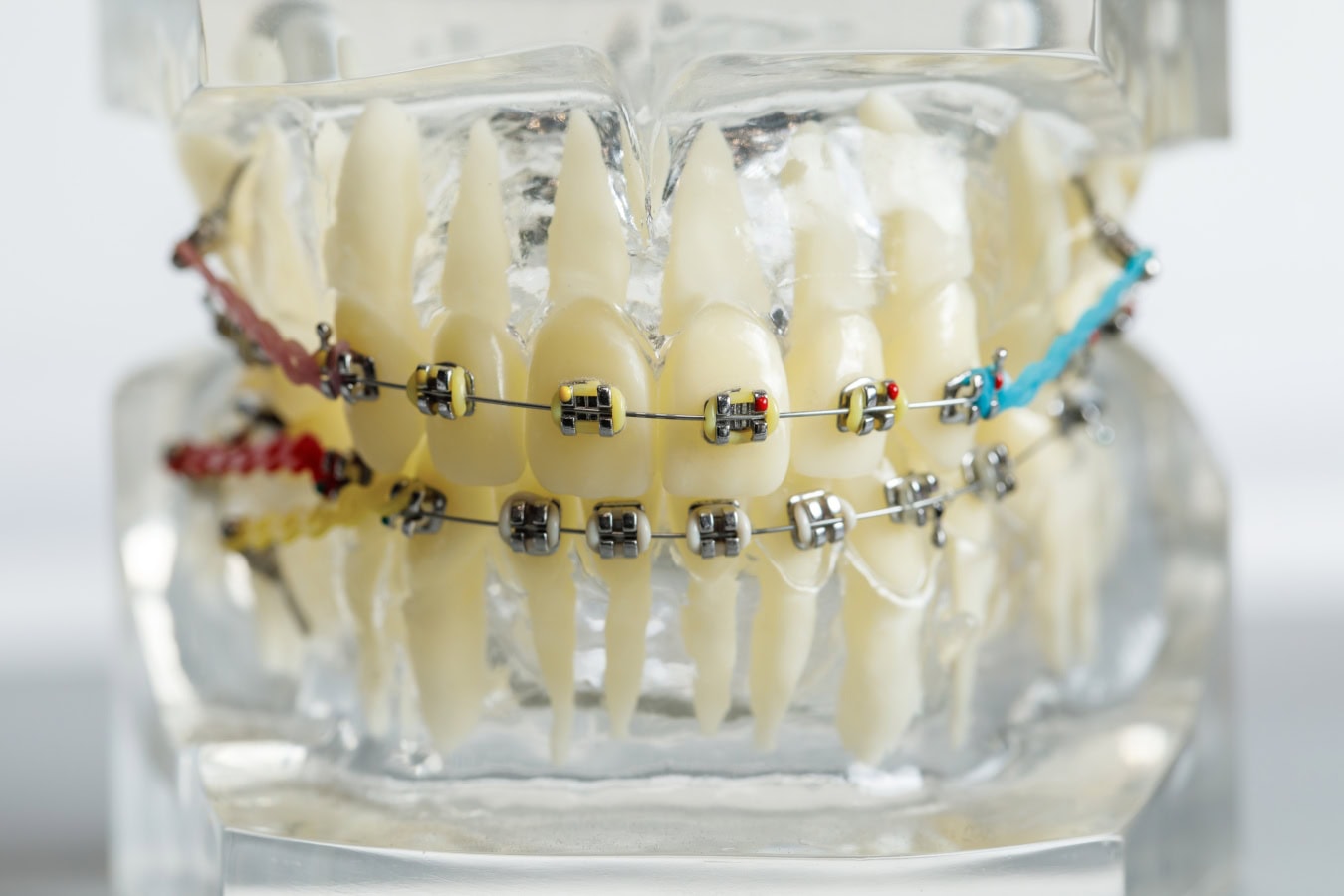
Traditional braces are made up of several key components:
- Brackets — Small metal or ceramic pieces bonded to the front of each tooth
- Archwire — A thin wire that connects the brackets and applies pressure to guide tooth movement
- Ligatures or Bands — Small elastic ties that hold the wire in place (sometimes colorful!)
- Spacers or Other Appliances — Occasionally used to help create room or adjust jaw positioning
Each component plays a role in gradually shifting your teeth into alignment. Adjustments are typically made every few weeks to keep treatment progressing.
Who Needs Braces?
Braces are used to correct a wide range of dental and orthodontic issues, including:
- Crowded or overlapping teeth
- Gaps between teeth
- Overbite, underbite, or crossbite
- Jaw misalignment
- Shifting teeth due to aging or tooth loss
While many people get braces during their teenage years, more adults than ever are seeking orthodontic treatment. In fact, there’s no age limit for improving your smile.
An orthodontist will determine if you’re a candidate for braces based on your dental health, jaw development, and overall alignment.
Different Types of Braces
Metal Braces
These are the most common and traditional type. Metal braces are durable and cost-effective — and modern versions are smaller and more comfortable than in the past.
Ceramic Braces
Ceramic braces use clear or tooth-colored brackets for a more discreet appearance. They function just like metal braces but are less noticeable, making them popular among teens and adults.
Self-Ligating Braces
These braces don’t require elastic ties. Instead, the brackets have built-in clips to hold the wire, reducing friction and potentially shortening treatment time.
Lingual Braces
Lingual braces are placed on the back side of the teeth, making them completely hidden from view. They can be more challenging to clean and adjust but are a good option for patients prioritizing aesthetics.
Clear Aligners (e.g., Invisalign)
Although not traditional braces, clear aligners are worth mentioning. They use a series of clear, removable trays to move teeth gradually. Aligners are a great option for those with mild to moderate alignment issues.
What to Expect During Treatment
1. Consultation
Your first visit involves a thorough evaluation, X-rays, and a discussion of treatment options. This is when you’ll find out if braces are right for you and what your plan might look like.
2. Getting Braces Placed
Placing braces is a painless process that takes about 1–2 hours. Your orthodontist will bond brackets to your teeth, place the archwire, and secure it with elastic bands.
3. Adjustment Appointments
You’ll visit the office every 4–8 weeks for adjustments. These appointments keep your treatment progressing and allow the orthodontist to monitor your smile’s development.
4. Oral Hygiene Routine
Braces can make brushing and flossing a bit more involved. You’ll need to use special tools like interdental brushes or floss threaders to keep your teeth and gums healthy during treatment.
5. Treatment Timeline
The length of treatment varies based on your unique case, but most people wear braces for 18 to 24 months. Some minor cases may be quicker, while more complex issues could take longer.
Tips for Success with Braces
- Keep up with appointments — Regular adjustments are key to staying on track.
- Brush and floss thoroughly — Poor oral hygiene can lead to stains or gum issues.
- Avoid sticky or hard foods — Things like gum, popcorn, or ice can damage brackets or wires.
- Use orthodontic wax — Wax can prevent discomfort from brackets rubbing against your cheeks.
- Wear any additional appliances or elastics as instructed — These help correct bite issues and are essential to your progress.
After Braces: What Happens Next?
Once your teeth are in the right position and braces come off, the journey isn’t quite over. The next step is retention — wearing a retainer to keep your teeth from shifting back.
There are several types of retainers, including:
- Removable retainers (clear or Hawley style)
- Fixed retainers (bonded to the back of your teeth)
Your orthodontist will recommend a wear schedule that fits your needs. Most patients start with full-time wear, then transition to nighttime wear indefinitely to maintain results.
Common Questions About Braces
Does getting braces hurt?
Getting braces doesn’t hurt, but you might feel some pressure or soreness for a few days after adjustments. Over-the-counter pain relievers and orthodontic wax can help ease discomfort.
Can I still play sports or instruments?
Absolutely! Just be sure to wear a mouthguard during sports and give yourself time to adjust to playing wind instruments.
Are braces just for kids?
Not at all. Braces work well for teens and adults alike — and more adults are starting treatment now than ever before.
Will braces affect my speech?
Some people notice slight changes in speech at first, especially with appliances like expanders or lingual braces, but it usually improves within a few days.
Ready to Start Your Braces Journey?
If you’re thinking about getting braces, there’s never been a better time to explore your options. Whether you’re a teen, an adult, or a parent looking for the right care for your child, starting with the right team can make all the difference.
At Scott Orthodontics, we offer expert, personalized care in a welcoming environment — with a range of treatment options to fit every smile. Schedule your free consultation at our Mitchellville or Silver Spring office and take the first step toward the confident, healthy smile you deserve.